AI in Healthcare: Personalizing the Future of Medical Care
Discover how AI is revolutionizing the healthcare industry, improving diagnostics, personalized medicine, and patient care.
Brian C. Newman
12/18/20232 min read
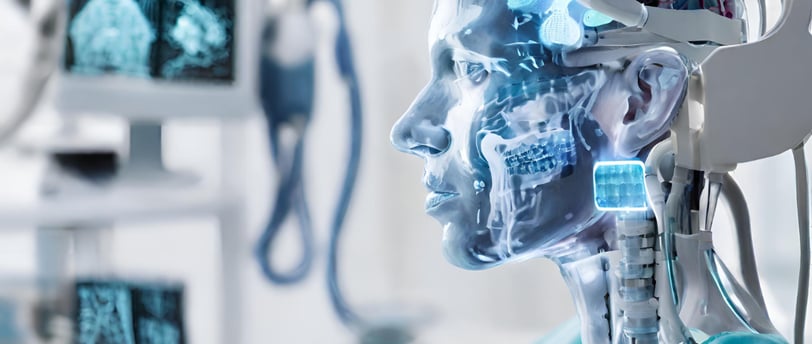
Artificial Intelligence (AI) stands out as a beacon of transformative change in the rapidly evolving healthcare field. As a professional in AI and healthcare, I've observed firsthand how AI revolutionizes medical care, offering personalized, efficient, and accessible solutions. Let's explore the future impacts of AI on healthcare and individual medical care.
Predictive Analytics in Patient Care
AI's capability to analyze vast datasets is paving the way for predictive healthcare. By examining patterns in health data, AI can predict individual health risks, enabling early intervention and personalized care plans. This shift towards preventive medicine could significantly reduce the incidence and severity of chronic diseases.
Enhancing Diagnostic Accuracy
AI algorithms are increasingly adept at diagnosing diseases from medical images like X-rays, MRIs, and CT scans. These tools assist doctors in detecting conditions such as cancer, heart disease, and neurological disorders with greater accuracy and speed, leading to improved patient outcomes.
Personalized Treatment Plans
AI is enabling a more personalized approach to treatment. By analyzing a patient's genetic makeup, lifestyle, and environmental factors, AI can help healthcare professionals tailor treatments to the individual, increasing their efficacy and reducing side effects.
Drug Development and Research
AI accelerates drug discovery and development by predicting how drugs interact with various diseases. This not only speeds up the process of bringing new drugs to market but also opens the door to discovering treatments for rare or previously incurable diseases.
AI-Powered Telemedicine and Remote Monitoring
Healthcare is becoming more accessible thanks to the rise of AI-powered telemedicine, especially in rural or underserved areas. AI-driven apps can monitor patients' health in real-time, alerting healthcare providers to potential issues before they become critical.
Ethical and Privacy Considerations
With AI's growing role in healthcare, ethical and privacy concerns are paramount. Ensuring the security of patient data and addressing biases in AI algorithms are challenges that must be met to maintain trust and effectiveness in AI-driven healthcare.
The Role of Healthcare Professionals
While AI transforms healthcare, the human touch remains irreplaceable. AI will augment healthcare professionals' capabilities, not replace them, allowing for more patient-centered care and the efficient use of medical expertise.
Conclusion
The future of healthcare with AI is not just a distant promise; it's already unfolding. Personalized treatments, improved diagnostics, and accessible care are just the beginning. As AI continues to evolve, its potential to transform healthcare and improve individual health outcomes is boundless.